
Reef
Blog
Algae in reef tank how to control

Implement a robust filtration system to reduce excess nutrients in your aquatic habitat. A high-quality protein skimmer can effectively remove organic waste, which serves as food for unwanted organisms. Aim for a turnover rate of at least 10 times the volume of your setup per hour.
Maintain consistent water parameters. Regularly test for nitrates and phosphates; levels should ideally be kept below 5 ppm and 0.03 ppm, respectively. Utilize water changes of 10-20% weekly to dilute nutrient concentrations.
Introduce herbivorous species that naturally graze on unwanted growth. Fish like tangs and specific invertebrates such as certain snails can significantly assist in managing these organisms by consuming them before they can become an issue.

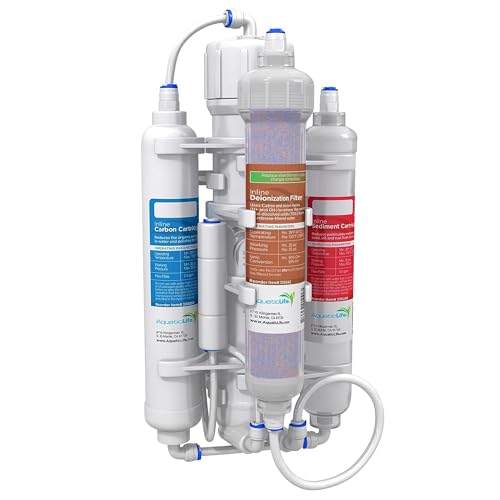
Consider the use of specialized products that target nutrient reduction without harming the overall ecosystem. Additionally, ensure adequate lighting with appropriate spectrums and photoperiods to favor desired organisms over undesired growths.
Algae in Reef Tank: How to Control
Maintain optimal nutrient levels by regularly testing water parameters. Aim for low phosphates and nitrates, as excess nutrients encourage unwanted growth. Utilize high-quality filtration systems and consider adding a protein skimmer to remove organic waste efficiently.
Manual Removal Techniques
Regularly inspect surfaces for growth, employing scrapers or brushes to physically remove unwanted organisms. This method helps prevent them from establishing a strong foothold. Ensure to clean the substrate and decorations during routine maintenance to minimize proliferation.
Biological Control Methods
Introduce specific organisms that consume unwanted growth. Species such as certain snails, crabs, and fish can effectively manage the population without harming the ecosystem. Ensure compatibility with existing inhabitants before adding any new species.
Additionally, consider the use of macroorganisms, which can outcompete the undesired varieties for resources. They can be cultivated in a separate area for balance within the ecosystem.
Implementing these strategies consistently will lead to a healthier aquatic environment while keeping unwanted growth in check.
Identifying Common Types of Algae in Your Aquarium
Recognizing the various forms of unwanted growth is crucial for maintaining a healthy aquatic environment. Below are some prevalent varieties and their characteristics:
Filamentous Growth
This type appears as long, hair-like strands that often clump together. It thrives in nutrient-rich waters. Regular removal during maintenance can help manage its spread.
Brown Diatom
Commonly seen as a brownish dust coating surfaces, this species flourishes in low-light conditions. Increasing lighting duration and ensuring proper flow can reduce its presence.
Green Spot Growth
Small green dots that attach to glass and decorations characterize this type. It’s often a sign of excess nutrients. Manual scrubbing or using specific cleaning crew members can mitigate it.
Cyanobacteria
Often mistaken for a type of algae, this can produce a slimy, blue-green film. It typically arises from high nutrient levels and poor water circulation. Adjusting feeding routines and enhancing water movement can help combat it.
| Type | Appearance | Common Causes | Management Tips |
|---|---|---|---|
| Filamentous | Long, hair-like strands | Nutrient-rich water | Regular removal |
| Brown Diatom | Brown dust coating | Low light conditions | Increase lighting |
| Green Spot | Small green dots | Excess nutrients | Manual scrubbing |
| Cyanobacteria | Blue-green slimy film | High nutrients, poor circulation | Adjust feeding, enhance flow |
Identifying these types early on allows for prompt action, helping to maintain a balanced and thriving aquatic habitat.
Methods for Reducing Nutrient Levels to Prevent Algae Growth
Regular water changes are a fundamental practice. Replace 10-20% of the water weekly to help dilute excess nutrients. Use high-quality salt mixes that contain minimal phosphates and nitrates.
Implement a reliable filtration system. Protein skimmers effectively remove organic waste before it breaks down into harmful compounds. Consider using a refugium with macroalgae, which can absorb excess nutrients.
Manage feeding practices. Provide only what is necessary for the inhabitants, and avoid overfeeding. Use a feeding schedule to limit nutrient input.
Utilize chemical media such as activated carbon and phosphate removers. These can help bind and remove unwanted substances from the water column.
Monitor and adjust lighting. Excessive light can fuel growth; ensure that lighting duration and intensity are appropriate for the species present.
Consider adding herbivorous species. Fish and invertebrates that graze on organic matter can help maintain balance in the environment.
Test water parameters regularly. Keep an eye on phosphate, nitrate, and other nutrient levels to identify and address issues promptly.
Incorporate natural filtration methods, such as live rock and substrate. These can provide surfaces for beneficial bacteria that consume excess nutrients.
Choosing the Right Cleanup Crew for Algae Management
Select a diverse group of inhabitants that thrive on organic matter and help maintain balance. Key options include:
- Snails:
- Nerite Snails: Efficient at consuming detritus and biofilm.
- Astrea Snails: Great for tackling film and diatoms.
- Crustaceans:
- Hermit Crabs: Versatile scavengers that consume leftover food and detritus.
- Scarlet Reef Hermit Crabs: Gentle on corals while foraging.
- Fish:
- Blennies: Known for grazing on various surfaces.
- Wrasses: Effective at picking off pests and leftovers.
Consider the compatibility of these species with existing inhabitants. Introduce them gradually to prevent overloading the system. Monitor their impact and adjust the population as necessary to ensure sustainable management. Regularly assess their feeding habits and health to maintain a balanced ecosystem.
Incorporating a variety of cleanup organisms enhances efficiency, as different species target distinct types of organic matter. This approach reduces reliance on mechanical filtration and promotes a healthier environment for other aquatic life.