
Reef
Blog
What causes bubble algae in reef tank

Maintaining optimal nutrient levels is paramount for preventing unwanted growth in marine aquaria. High levels of phosphates and nitrates can create an environment conducive to the proliferation of unwanted organisms. Regular testing of water parameters and implementing effective filtration systems can significantly mitigate these issues.
Light availability also plays a critical role. Excessive lighting, especially in combination with nutrient-rich conditions, can accelerate the growth of problematic organisms. Adjusting the photoperiod and intensity of light can help manage this risk. Consider using timers and high-quality LED systems to achieve a balanced light cycle.
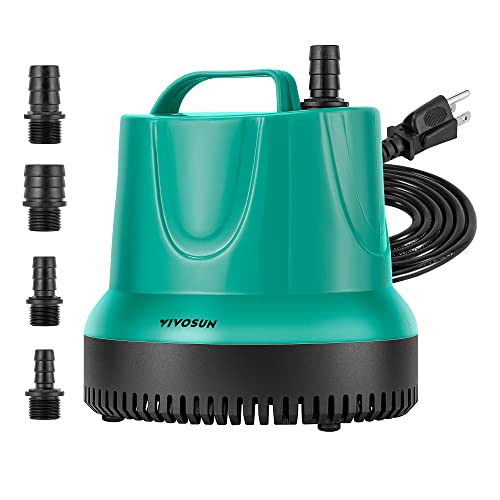
Water circulation is another key aspect. Stagnant water can lead to localized nutrient accumulation, fostering an environment where unwanted organisms thrive. Ensuring proper flow with pumps and adjusting the layout of decorations can promote even distribution of nutrients and discourage growth.
Lastly, introducing competitive organisms can be an effective strategy. Certain types of marine life, such as herbivorous fish and invertebrates, can help keep unwanted growth in check by consuming available nutrients. Researching compatible species for your setup can lead to a more balanced and healthier ecosystem.
Factors Contributing to Growth of Unwanted Green Growths
Regular water changes and proper filtration are key to controlling nutrient levels. High concentrations of phosphates and nitrates create a favorable environment for these organisms. Aim for phosphate levels below 0.03 ppm and nitrate levels under 5 ppm to hinder their proliferation.
Light Conditions
Intense lighting can stimulate growth. Consider reducing light duration to 6-8 hours daily and using a spectrum that limits growth of unwanted species. Monitor par levels to ensure they are appropriate for desired corals while discouraging excessive growth of undesirable types.
Biological Control
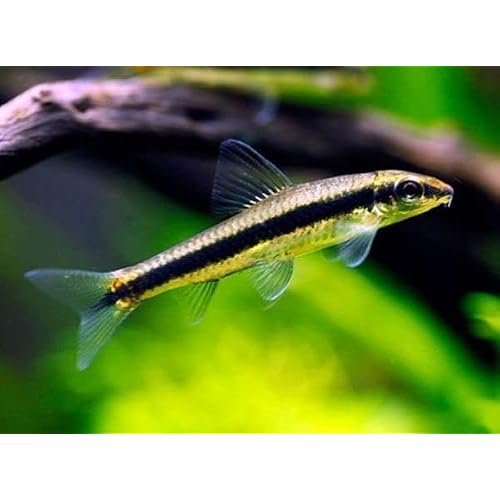
- Introduce herbivorous fish like tangs or certain snails that consume unwanted green growths.
- Regularly inspect and manage population levels of these organisms to maintain a balance.
Maintaining a diverse ecosystem enhances competition for resources, which can suppress growth. Monitor and manage populations of beneficial microbes and macroalgae to create a natural balance. Regularly inspect tanks for early signs of unwanted growth and take corrective actions promptly to minimize spread.
Understanding the Role of Nutrient Imbalance
Maintaining proper nutrient levels is critical for preventing unwanted growth in aquatic environments. High concentrations of nitrogen and phosphorus can lead to uncontrolled proliferation of undesirable organisms. Regular testing of water parameters is necessary to manage these nutrients effectively.
Establish a routine for water quality assessment, focusing on nitrate and phosphate levels. Utilize a reliable test kit to monitor these parameters weekly. Aim to keep nitrates below 10 ppm and phosphates under 0.1 ppm. Consider implementing the following strategies to balance nutrients:
| Action | Description |
|---|---|
| Water Changes | Perform regular partial water changes of 10-20% weekly to dilute excess nutrients. |
| Filtration | Incorporate high-quality filtration systems, including protein skimmers, to remove organic waste. |
| Macroalgae | Introduce macroalgae species that consume excess nutrients, thus competing with unwanted growth. |
| Feeding Practices | Adjust feeding schedules to limit overfeeding, which can contribute to nutrient spikes. |
| Biopellets | Consider using biopellets to promote bacterial growth that will consume excess nutrients. |
In addition, be cautious with the introduction of new livestock or corals, as they can introduce nutrients into the system. Quarantine new additions to minimize potential issues. By actively managing nutrient levels, a healthier aquatic environment can be sustained, reducing the likelihood of unwanted growth.
Impact of Lighting Conditions on Bubble Algae Growth
Adjust lighting intensity and spectrum to control the proliferation of unwanted plant organisms. High-intensity lights, particularly those in the blue spectrum, significantly enhance photosynthetic activity, promoting rapid growth of these organisms. Consider utilizing LED fixtures with adjustable settings to optimize light output.
Maintain a photoperiod of 8-10 hours daily. Extended light exposure may lead to excessive growth, while too little can hinder competition and allow opportunistic species to thrive. Implement a timer to ensure consistent light cycles.
Evaluate the placement of lighting fixtures. Proximity to the water surface affects light distribution; too close may cause localized hotspots, fostering growth. Aim for an even spread across the aquatic environment, allowing all areas to receive adequate illumination.
Consider the use of light filters or diffusers to modify the light spectrum. Reducing excess red wavelengths can help limit growth, as many unwanted plants thrive in this range. Experiment with different combinations to find the most effective setup.
Regularly monitor light levels using a PAR meter. This tool helps gauge the photosynthetically active radiation within the habitat, ensuring that light conditions remain conducive for desirable organisms while suppressing unwanted species.
How Water Flow Affects Bubble Algae Development
Adequate water movement is crucial for controlling the proliferation of unwanted organisms. Ensure water circulation reaches all areas of the aquarium, as stagnant zones can become breeding grounds. Aim for a flow rate that promotes the suspension of nutrients without creating excessive turbulence.
Increased flow helps to dislodge spores and fragments, reducing their ability to settle and proliferate. Position powerheads or pumps strategically to create a dynamic environment, which discourages the establishment of undesirable growths.
Regular maintenance of equipment is vital. Clean filters and pumps to maintain optimal performance, preventing debris accumulation that can contribute to nutrient build-up. Furthermore, conduct routine water changes to refresh the system, ensuring that nutrient levels remain balanced.
Monitor flow patterns and adjust as necessary. If certain areas display a higher concentration of growth, consider increasing flow in those spots. Utilizing wave makers can also enhance water movement, creating a more diverse habitat that supports beneficial organisms while hindering unwanted ones.
Lastly, observe the response of the ecosystem to changes in flow. Healthy environments will show signs of improved clarity and reduced unwanted growth, indicating that water movement is effectively managed.