
Reef
Blog
What coral reef animals eat algae

Herbivorous species inhabiting underwater ecosystems play a significant role in maintaining balance by consuming plant matter. Among these, certain fish, mollusks, and echinoderms actively feed on various forms of marine vegetation, including microscopic organisms and larger seaweeds.
Surgeonfish, particularly the species from the Acanthuridae family, are renowned for their grazing habits. These fish possess specialized teeth that allow them to scrape off plant material from rocky surfaces, contributing to the regulation of marine flora. In addition, parrotfish utilize their beak-like jaws to munch on coral and algae, helping to control algal growth and promote coral health.
Sea urchins, especially the long-spined variety, are also significant grazers. They forage on algal blooms, preventing overgrowth that can suffocate delicate marine habitats. Additionally, certain types of sea turtles, like the green turtle, primarily consume seagrass and other aquatic plants, further aiding in the management of these ecosystems.
By understanding the dietary habits of these marine inhabitants, one can appreciate their vital contributions to underwater environments and the intricate relationships within these ecosystems.

Coral Community Herbivores
Surgeonfish are prominent grazers, utilizing their sharp teeth to scrape off growths from hard surfaces. This behavior helps maintain a balance by controlling the proliferation of photosynthetic organisms.
Other Key Species
Parrotfish, with their beak-like jaws, effectively consume various types of marine vegetation. They play a critical role in shaping the underwater habitat while ensuring that excess growth does not overwhelm the ecosystem.
Sea urchins also contribute significantly, as they feed on filamentous types and other forms of green growth. Their foraging habits assist in preventing overgrowth, which could lead to detrimental effects on the habitat.
Herbivorous Fish Species and Their Algal Diets
Focus on these herbivorous fish that play a key role in controlling algal growth:
- Parrotfish: Known for their beak-like jaws, parrotfish scrape algae off rocks and coral surfaces. They consume a variety of macroalgae and help maintain the health of their habitat.
- Surgeonfish: With their sharp spines and rapid grazing habits, surgeonfish effectively consume large amounts of algae. They are particularly fond of filamentous algae.
- Blenniids: These small fish often feed on algae growing on rocks. Their ability to consume both microalgae and detritus makes them important contributors to the ecosystem.
- Damselfish: Territorial and aggressive, certain species of damselfish cultivate gardens of algae on the substrate, ensuring a steady food supply for themselves and maintaining algal diversity.
- Rabbitfish: These fish have a varied diet, favoring fleshy algae and seagrasses. Their grazing helps promote the growth of healthy marine plants.
Monitoring the populations and behaviors of these fish can provide insight into algal management strategies and ecosystem health.
Encouraging the presence of these herbivorous species can significantly aid in maintaining balance within their aquatic environments.
Invertebrates That Consume Algae in Coral Reefs
Sea urchins stand out as significant grazers, effectively reducing algal overgrowth on substrates. Their feeding habits maintain balance within the ecosystem, allowing for healthy coral growth. Species like the black long-spined urchin (Diadema antillarum) are particularly efficient in consuming filamentous algae.
Crustaceans and Their Role
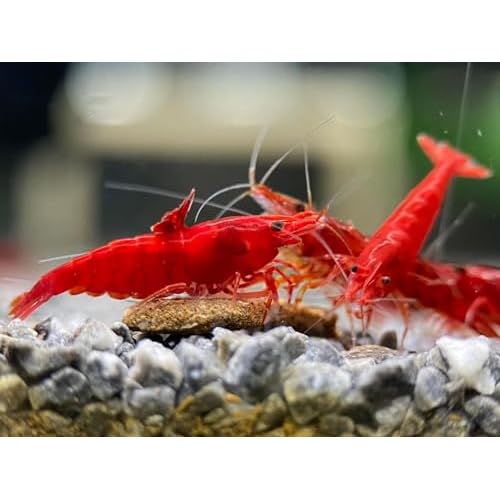
Many crustaceans play a pivotal part in controlling algal populations. Species such as certain amphipods and isopods feed on microalgae and detritus, contributing to nutrient cycling. Additionally, some shrimp, like the cleaner shrimp, consume algae and parasites off the surfaces of various organisms, promoting overall health.
Mollusks as Grazers
Gastropods, particularly sea snails like the turbo snail (Turbo spp.), are adept at scraping algae off rocks and coral surfaces. Their specialized radula allows them to efficiently harvest algae, preventing harmful overgrowth. Other mollusks, such as certain bivalves, also filter feed on microscopic algae, further supporting ecosystem balance.