
Reef
Blog
How much gfo to use in reef tank
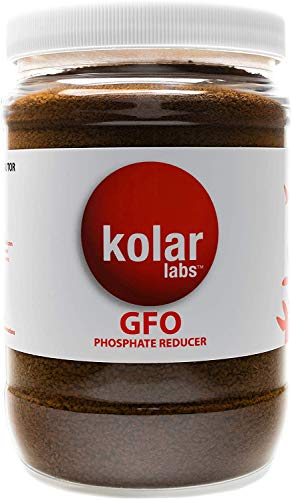
For effective phosphate control in a marine ecosystem, a recommended dosage is approximately 0.2 to 0.5 grams per gallon of water. This range ensures optimal absorption of unwanted compounds without risking adverse effects on delicate inhabitants.
Adjustments may be necessary based on specific conditions, such as bioload and nutrient levels. Regular testing of phosphate concentrations will guide you in fine-tuning the quantity for maximum efficiency.
Introduce the medium gradually to prevent sudden fluctuations in water chemistry. Monitor the response of corals and other organisms closely during the initial phases. Over time, you can establish a routine that aligns with the unique dynamics of your aquatic setup.
Recommended Amount of Phosphate Remover for Aquatic Environments
For effective phosphate reduction, a ratio of 0.1 to 0.2 grams per gallon of water is recommended. This helps maintain optimal water quality without overloading your filtration system. Adjustments can be made based on specific phosphate levels detected through testing.
Factors Influencing Quantity
The quantity required may vary based on several parameters:


- Water volume
- Current phosphate concentration
- Type of inhabitants
- Filtration efficiency
Monitoring and Adjustment
Regular testing is essential to avoid sudden drops in phosphate levels. Aim for a target range of 0.03 to 0.05 mg/L. If levels are consistently below this range, consider reducing the amount of phosphate remover. Conversely, if levels remain high, gradually increase the dosage within the recommended limits.
| Water Volume (Gallons) | Recommended Amount (Grams) |
|---|---|
| 10 | 1 – 2 |
| 20 | 2 – 4 |
| 50 | 5 – 10 |
| 100 | 10 – 20 |
Determining the Correct Amount of GFO for Your Tank Size
For a standard aquarium, the recommended quantity of this phosphate remover is approximately 0.5 to 1.0 grams per gallon of water. Adjustments may be necessary based on specific conditions.
Factors to Consider
- Volume of Water: Measure the total volume of your system, including sump and refugium.
- Current Phosphate Levels: Test water parameters to determine existing phosphate concentrations. Higher levels may require increased amounts.
- Bioload: Heavily stocked environments may necessitate more frequent replacements and larger quantities.
- Type of Filtration: The efficiency of your filtration system can impact the required dosage; more robust systems may reduce the need.
Monitoring and Adjustment
Regular testing of phosphate levels is crucial. If concentrations remain elevated despite the initial application, consider increasing the amount incrementally. Always avoid sudden changes, as they can stress aquatic life.
Replace the material every 4 to 6 weeks or when phosphate levels indicate depletion. Storing it properly and limiting exposure to air will enhance its longevity and effectiveness.
Factors Influencing GFO Dosage: Water Chemistry and Bioload
The appropriate amount of phosphate remover is determined significantly by water parameters and the biological load within the aquatic environment. Regular testing of phosphate levels is paramount; higher concentrations necessitate a greater quantity of media for effective reduction. Aim for phosphate levels below 0.03 ppm for optimal conditions.
Water Chemistry
Key indicators such as pH, alkalinity, and calcium levels impact the efficacy of phosphate removal. Elevated alkalinity can enhance phosphate binding, making it essential to monitor these parameters closely. Adjustments to water chemistry may require a recalibration of the phosphate remover to ensure it operates efficiently.
Bioload Considerations
Higher populations of fish and invertebrates increase nutrient input through waste, dictating a need for more phosphate media. Conversely, a lower bioload can reduce the frequency and amount necessary for phosphate management. Assessing the feeding habits and growth rates of inhabitants will provide insight into the appropriate dosage for maintaining balanced water quality.