
Reef
Blog
What size heater for 90 gallon reef tank
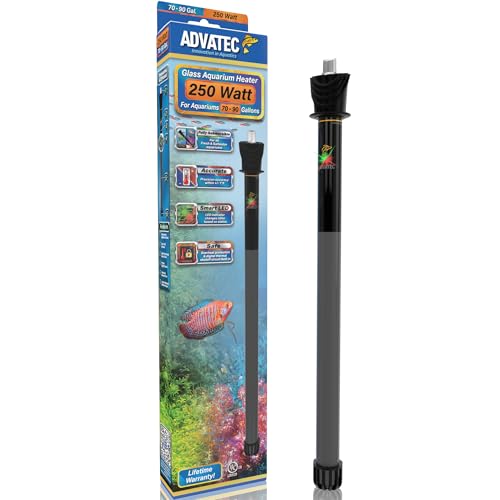
To maintain a stable environment in a 90-gallon aquarium, a heating element with a power output of 300 to 400 watts is recommended. This range ensures that the water temperature can be effectively regulated, accommodating the needs of various marine species.
Consider using two separate units, each rated around 150 to 200 watts, to enhance reliability and maintain temperature consistency. This setup not only provides redundancy in case one unit fails but also allows for more even heat distribution throughout the aquatic habitat.
When selecting heating equipment, pay attention to the type of thermostat it utilizes. A reliable digital thermostat can offer precise temperature control, reducing the risk of overheating or underheating, which could jeopardize the well-being of the inhabitants.
Recommended Power for 90 Gallon Aquarium
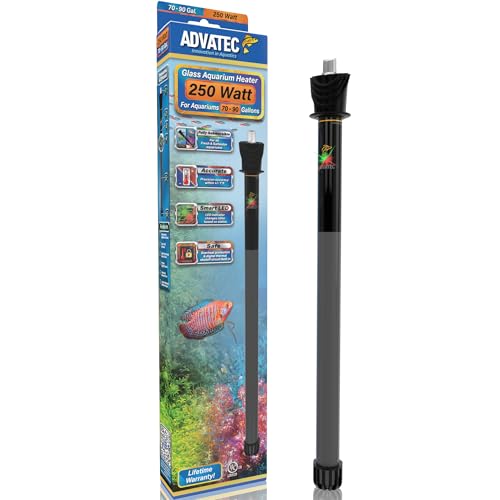
For a 90-gallon aquatic environment, a heating element with a power output between 300 to 400 watts is advisable. This range ensures adequate thermal regulation, promoting a stable ecosystem for marine life.

Factors Influencing Wattage Need
- Ambient Temperature: If the surrounding room temperature is significantly lower than the desired water temperature, a higher wattage may be necessary.
- Insulation: Well-insulated setups may require less heating power, while poorly insulated ones will need more.
- Type of Organisms: Different species have varying temperature requirements, influencing the heating needs.
Placement Tips
- Position the device near water circulation sources to ensure even heat distribution.
- Avoid placing it directly against the glass to prevent overheating and potential damage.
- Consider using multiple smaller units instead of one large one for better temperature control.
Regular monitoring of water temperature is crucial. A reliable thermometer will help maintain optimal conditions for aquatic inhabitants.
Calculating the Required Heater Wattage
To maintain optimal temperature in a 90-gallon aquatic environment, a heating element of approximately 300 watts is recommended. This calculation is based on the general guideline of 3-5 watts per gallon of water. However, several factors may influence the final wattage needed.
Key elements to consider include:
- Ambient room temperature: If the surrounding area is cooler, additional wattage may be necessary.
- Type of inhabitants: Some marine species require more stable temperatures, suggesting a higher wattage.
- Insulation: A well-insulated setup retains heat better, potentially reducing wattage needs.
For precise wattage calculation, apply the following formula:
| Factor | Watts |
|---|---|
| Water Volume (in gallons) | 90 |
| Recommended Watts per Gallon | 3-5 |
| Total Recommended Wattage | 270-450 |
Based on this calculation, selecting a 300-watt unit strikes an appropriate balance for a 90-gallon aquatic habitat. Always ensure to monitor the temperature regularly to avoid fluctuations.
Choosing Between Submersible and Inline Heaters
Opt for a submersible unit for simplicity and ease of installation. These devices are placed directly in the water, making them straightforward to set up and maintain. They provide consistent heating and can be easily adjusted or replaced without significant disruption to the aquatic environment.
Inline options are ideal for those seeking advanced integration with filtration systems. These units connect to the plumbing, allowing for efficient water heating without taking up space inside the aquatic habitat. They can be more effective in larger setups, ensuring even heat distribution throughout the system.
Submersible models tend to have a more compact footprint, which is beneficial in tighter spaces. However, inline devices often excel in energy efficiency, as they only heat water as it passes through. This results in potentially lower energy costs over time.
Consider the ease of maintenance as well. Submersible varieties may require regular cleaning to prevent buildup, while inline configurations can be serviced without disturbing the aquatic life. Evaluate your specific needs and preferences to determine the best fit for your aquatic environment.