
Reef
Blog
How long do led reef lights last

The operational lifespan of high-quality illumination systems for marine aquariums can reach between 25,000 and 50,000 hours, depending on various factors such as usage, environmental conditions, and maintenance practices. For consistent performance, users are advised to run these units for no more than 10 to 12 hours daily.
Regularly monitoring the intensity and color spectrum emitted by the fixtures is crucial, as performance can degrade over time, affecting coral health and overall ecosystem dynamics. Consider replacing bulbs or entire units every 2 to 5 years to ensure optimal growth conditions.
Investing in reputable brands often results in a longer lifespan and better efficiency. Additionally, incorporating timers can help regulate daily usage, prolonging the equipment’s longevity while maintaining stable conditions for aquatic life.
Duration of LED Aquarium Illumination
Typically, these illumination sources have an operational span ranging from 25,000 to 50,000 hours. This duration can vary based on multiple factors including usage patterns, environmental conditions, and the specific technology utilized in the fixture.
Factors Influencing Longevity
Several elements can affect the lifespan of these fixtures:
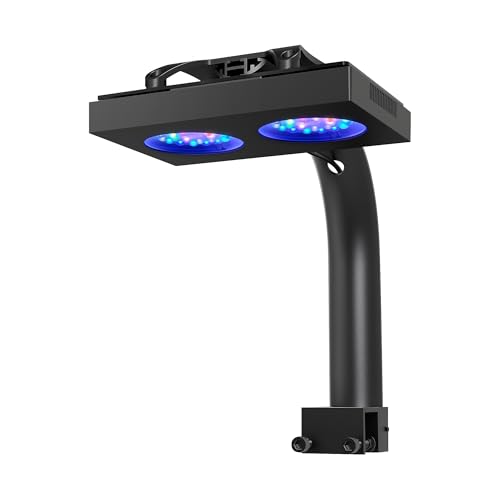

- Heat Management: Effective cooling systems can prolong functionality by reducing thermal stress on components.
- Power Supply Quality: A stable power source minimizes fluctuations, which can lead to premature failure.
- Usage Schedule: Regularly turning the units on and off can lessen their operational lifespan compared to continuous use.
Maintenance Recommendations
To maximize the durability of these devices:
- Regularly clean the lenses to prevent dust accumulation, ensuring optimal light penetration.
- Monitor temperatures and provide adequate ventilation to prevent overheating.
- Replace any failing components promptly to avoid stressing the remaining parts.
| Type of Fixture | Average Lifespan (Hours) |
|---|---|
| Standard LED | 25,000 |
| High-Quality LED | 50,000 |
| Specialized Spectrum LED | 30,000 |
Understanding the Lifespan of LED Reef Lights
The typical operational duration of these illumination systems ranges from 25,000 to 50,000 hours under optimal conditions. However, actual performance can vary based on several factors.
- Quality of Components: Higher-grade materials and design contribute to extended functionality. Always opt for reliable brands.
- Cooling Mechanisms: Adequate heat dissipation is critical. Systems that include fans or heat sinks tend to perform better over time.
- Usage Patterns: Continuous operation at maximum intensity can shorten lifespan. Implementing timers to limit usage can enhance durability.
- Environmental Conditions: Exposure to moisture and salt can degrade performance. Ensure proper installation and maintenance to mitigate these effects.
Regular maintenance, such as cleaning lenses and ensuring secure connections, can significantly impact longevity. Monitoring light quality and color output can also provide insights into when replacement is necessary.
Consider using a light meter to assess performance and ensure optimal brightness levels for your aquatic environment. This proactive approach can help extend the functional period of your lighting setup.
Factors Affecting the Longevity of LED Reef Lights
Several key elements directly influence the durability of underwater illumination systems:
- Quality of Components: The materials used in manufacturing significantly affect performance. High-grade diodes and drivers contribute to extended usability.
- Heat Management: Excessive heat can shorten the lifespan. Systems with effective cooling solutions, such as heat sinks or fans, are more reliable.
- Power Supply: Stable and appropriate voltage prevents damage. Fluctuations can lead to premature failure, so using quality power sources is advisable.
- Usage Patterns: Continuous operation versus intermittent use impacts longevity. Limiting on-time can enhance lifespan.
- Environmental Conditions: Humidity, temperature, and salinity levels affect the performance. Ensuring suitable conditions can prevent corrosion and other issues.
- Maintenance: Regular cleaning and checks can improve functionality. Dust and salt buildup can hinder performance and reduce durability.
- Wavelength Selection: Choosing appropriate spectrums for specific marine life can enhance both growth and longevity. Systems designed for particular needs tend to perform better over time.
By considering these factors, users can maximize the efficiency and lifespan of their illumination solutions. Proper selection and maintenance are key to sustainable performance.
Maintenance Tips to Extend LED Reef Light Life
Regularly clean the fixtures to prevent dust and salt buildup, which can impede heat dissipation and reduce efficiency. Use a soft, damp cloth for surface cleaning and avoid abrasive materials.
Ensure proper ventilation around the units. Adequate airflow helps maintain optimal operating temperatures and prevents overheating, which can shorten their operational lifespan.
Adjust the intensity settings according to the needs of your aquatic environment. Overexposure can lead to premature failure. Utilize timers to create a consistent light schedule that mimics natural conditions.
Periodically check electrical connections for corrosion or damage. Replace any worn or frayed wires promptly to avoid electrical issues that can impact performance.
Store the devices in a cool, dry place when not in use. This protects them from moisture and extreme temperatures, which can compromise their functionality over time.
Consider using surge protectors to safeguard against power spikes. Electrical surges can cause significant damage to electronic components.
Follow manufacturer guidelines for replacement cycles. Even high-quality models may require periodic upgrades to maintain optimal performance.