
Reef
Blog
How to build led lights for reef tank
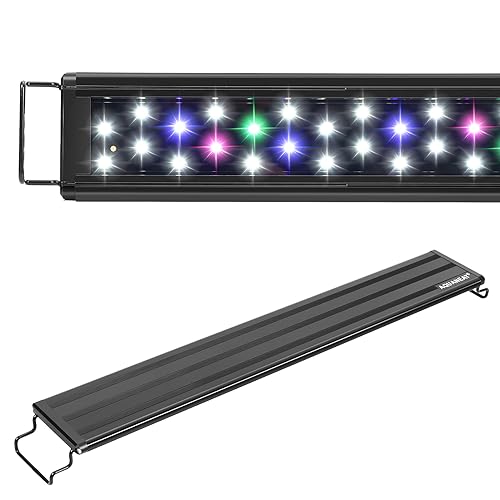
Utilize high-quality components such as waterproof strips and appropriate connectors to ensure longevity and safety in aquatic settings. Prioritize the selection of a color spectrum that promotes coral growth and enhances the overall aesthetic of the aquarium.
Consider integrating a programmable controller that allows for customizable light schedules, mimicking natural daylight cycles. This feature not only supports the well-being of marine life but also contributes to the visual appeal of the setup.
Incorporate heat sinks or fans to manage temperature effectively, as overheating can adversely impact both the lighting system and the inhabitants of the aquatic habitat. Regular maintenance is key; ensure that all fixtures and connections are inspected to prevent any potential issues.
Lastly, research different lighting configurations to determine what best suits the specific needs of your aquatic ecosystem. Engaging with community forums or consulting with experienced aquarists can provide valuable insights into optimizing your setup for both functionality and beauty.
Creating Custom Illumination Solutions for Aquatic Environments
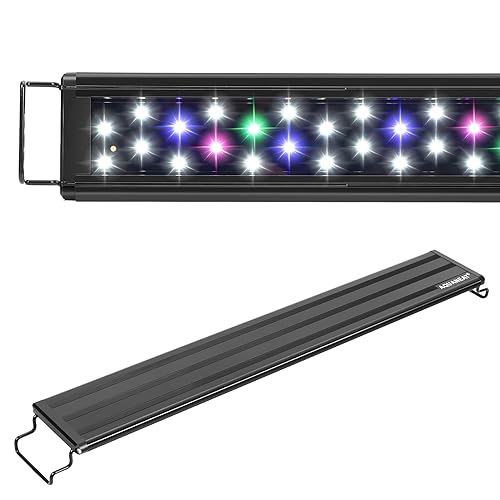
Choose high-quality diodes with a color temperature between 10,000K and 20,000K to replicate natural sunlight. This spectrum promotes coral health and growth. Consider using a mix of white, blue, and red diodes to achieve a balanced light output.

Power Supply Selection
Opt for a reliable power supply that matches the total wattage of your components. A constant voltage supply is typically recommended, ensuring stability in output. Include a dimmer switch to adjust intensity based on the specific needs of your aquatic inhabitants.
Heat Management
Incorporate heat sinks to dissipate excess warmth generated by the diodes. Proper ventilation or cooling fans can also enhance thermal performance, preventing damage to components. Regularly monitor temperatures to maintain an optimal environment for your marine life.
Selecting the Right LED Components for Coral Growth
Prioritize full-spectrum options that emit light across the visible spectrum, ideally including wavelengths from 400 to 700 nm. This range supports photosynthesis in corals and enhances their color. Utilize combinations of blue and white diodes, focusing on blue (around 450 nm) for optimal growth and health.
Types of LEDs to Consider
- Cob LEDs: High-intensity output and efficient heat management, suitable for deep tanks.
- High-Power LEDs: Provide intense illumination, excellent for larger setups requiring significant light penetration.
- Full-Spectrum LEDs: Incorporate various colors to stimulate coral growth and coloration.
Wattage and Placement
Calculate the required wattage based on tank size and coral types. Generally, 0.5 to 1 watt per liter is recommended. Proper placement is crucial; position lights at varying heights to create zones with different intensities, accommodating various coral species.
Consider using dimmable options to adjust light intensity based on coral needs and time of day. This flexibility mimics natural conditions and prevents stress on marine life.
Lastly, invest in quality drivers and heatsinks to ensure longevity and efficiency, preventing overheating and extending the lifespan of components.
Designing the LED Layout for Optimal Light Distribution
Positioning the emitters strategically is crucial for achieving even illumination across the aquatic environment. A grid configuration often proves effective, allowing uniform coverage of corals and other marine life.
Consider the following parameters when arranging the components:
| Parameter | Recommendation |
|---|---|
| Distance Between Units | 6 to 12 inches, depending on the power of the individual components. |
| Height Above Surface | 12 to 24 inches, adjusting based on intensity and type of corals. |
| Color Spectrum | Use a mix of cool whites, blues, and red wavelengths to support photosynthesis. |
| Angle of Emission | Opt for lenses that provide a 90 to 120-degree spread for broader coverage. |
Incorporate dimmers or programmable controllers to adjust the intensity and simulate natural light cycles. This flexibility helps mimic dawn, dusk, and moon phases, promoting coral health.
Testing the layout with a PAR meter ensures the light intensity meets the specific needs of the aquatic inhabitants. Aim for a PAR range of 200-400 µmol/m²/s for most coral species.
Consider the depth of the aquarium; deeper tanks may require higher intensity or additional emitters to maintain adequate light levels at the substrate. Always monitor the response of the corals to the light adjustments to ensure optimal growth and coloration.