
Reef
Blog
How to aquascape a nano reef tank
Begin with selecting a suitable container that holds between 5 to 20 gallons. Ensure it has a high-quality filtration system to maintain water clarity and quality. Choosing a glass aquarium over acrylic provides better visibility and resistance to scratches, enhancing the aesthetic appeal of your aquatic environment.
Focus on substrate choice; opt for a mix of fine sand and small gravel to provide a natural look and support beneficial bacteria. Incorporate live rock as both a decorative element and a biological filter. Arrange larger pieces as the foundation and smaller fragments to fill gaps, creating hiding spots for inhabitants.
Lighting plays a crucial role in sustaining coral health. Utilize LED fixtures with adjustable spectrums to mimic natural sunlight, promoting photosynthesis. Position lights at appropriate heights to avoid overheating and ensure even coverage across the entire setup.
Select compatible marine species that thrive in confined spaces. Consider small fish varieties like gobies or blennies, which occupy different levels of the habitat without overcrowding. Incorporate a variety of corals, such as soft and LPS (large polyp stony) varieties, to enhance color and texture while ensuring they have enough space to grow.


Crafting a Stunning Aquatic Environment
Select a focal point, such as a unique rock formation or coral piece, to anchor the underwater display. Position this element slightly off-center to create a natural look, drawing the viewer’s attention. Build around this centerpiece with smaller rocks or fragments that complement its shape and color. Ensure stability to prevent any shifting that could disrupt the ecosystem.
Layering Substrate and Elements
Incorporating Flora and Fauna
Choosing the Right Size and Shape of Nano Reef Tank
Select a volume between 10 to 20 gallons for a manageable experience. This size supports a variety of marine life while being compact enough for limited spaces. Smaller setups under 10 gallons can be challenging due to rapid fluctuations in water parameters.
Shape Considerations
Rectangular tanks provide more surface area, enhancing gas exchange and light penetration compared to cube-shaped aquariums. A height to width ratio of 1:2 is ideal, allowing for better organization of rock formations and coral placement. Avoid excessively tall designs as they can complicate maintenance and hinder light distribution.
Placement and Accessibility
Position the aquarium where it is easily accessible for maintenance and viewing. Ensure that it is stable and away from direct sunlight to prevent overheating. Consider the height of the stand; it should allow for comfortable viewing without straining. Keep in mind that a larger footprint can accommodate more equipment, benefiting overall stability and aesthetics.
Selecting Suitable Live Rock and Substrate for Your Setup
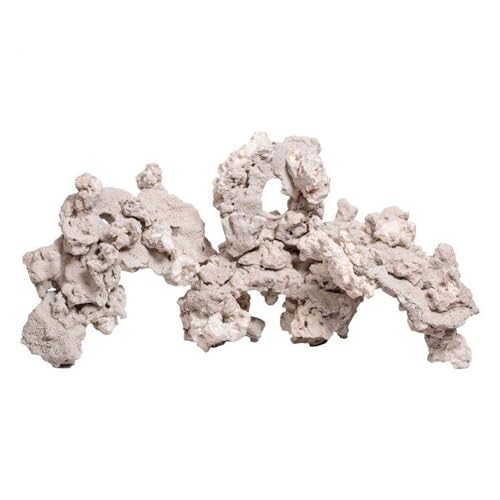
Opt for high-quality live rock sourced from reputable suppliers. Look for pieces that have varied shapes and sizes to create depth and interest. Aim for 1 to 2 pounds of live rock per gallon of water, ensuring adequate surface area for beneficial bacteria.
Types of Live Rock
- Fiji Rock: Known for its porous structure, ideal for hosting diverse marine life.
- Marshall Island Rock: Offers a unique appearance with abundant crevices, perfect for hiding spots.
- Pacific Rock: Heavier and denser, providing stability and excellent filtration.
Selecting Substrate
Choose a substrate that balances aesthetics and functionality. A grain size of 0.5 to 1.5 mm is preferable, as it supports biological filtration while preventing detritus buildup.
- Aragonite Sand: A popular choice, enhances calcium levels and helps maintain pH.
- Crushed Coral: Provides excellent drainage but may trap debris if too coarse.
- Specialty Substrates: Consider options designed for specific marine life needs, such as those that promote coral growth.
Ensure the substrate depth is at least 1 to 2 inches to support a healthy ecosystem. Regular maintenance involves siphoning off detritus and replacing substrate as needed to maintain water quality.