
Reef
Blog
How to setup marine aquarium video

Begin with selecting a suitable container, ideally at least 50 gallons for a balanced ecosystem. This size allows for better water stability and easier maintenance. Ensure the tank is made of high-quality glass or acrylic to withstand the conditions inside.
Next, invest in a reliable filtration system. A good filter will maintain water clarity and quality, which is critical for the health of marine life. Look for options with adjustable flow rates and multiple stages of filtration, including mechanical, chemical, and biological processes.
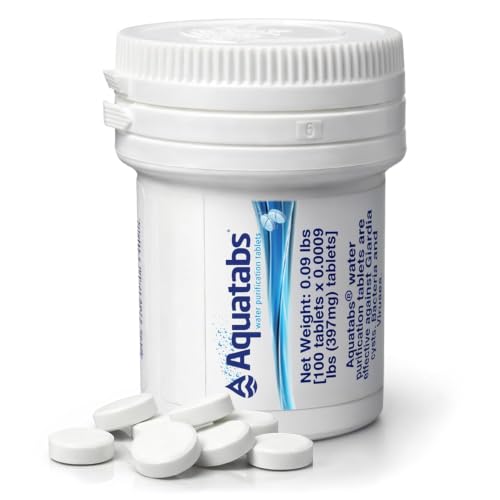
Incorporate a heater to maintain a consistent temperature, typically between 75°F and 80°F. A thermometer is essential to monitor the conditions accurately. Regular temperature checks will help prevent stress to the inhabitants.
Choose substrate wisely; consider live sand or crushed coral for a natural look and beneficial bacteria growth. These materials aid in biological filtration and contribute to the overall health of your aquatic environment.
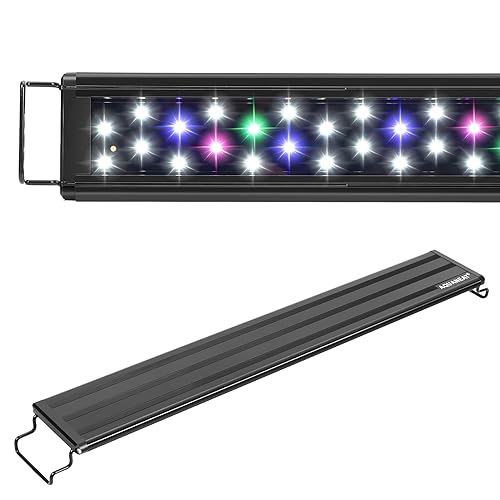
Finally, add appropriate lighting. LED fixtures are energy-efficient and can simulate natural sunlight, promoting coral growth and enhancing the colors of fish. Adjust the lighting period to mimic day and night cycles, typically around 10-12 hours of light daily.
Setting Up Your Underwater Environment
Choose an appropriate container with a minimum capacity of 30 gallons to ensure stability. This size allows for easier management of water parameters and provides a more suitable habitat for aquatic life. Select a high-quality filtration system to maintain water clarity and quality, focusing on models designed for saltwater environments.
Filtration System Installation
Position the filter according to the manufacturer’s guidelines. Ensure it is capable of processing the total volume of water at least 4-5 times per hour. Regularly check and replace filter media to optimize performance and reduce waste buildup.
Water Parameters and Conditioning
Utilize reverse osmosis (RO) or deionized (DI) water to fill the tank, avoiding tap water due to potential contaminants. Mix the appropriate salt mix to achieve a specific gravity of 1.020-1.025. Use a hydrometer or refractometer to verify salinity levels. Condition the water with a quality dechlorinator to prepare it for inhabitants.
Selecting the Right Aquarium Size and Type
Choose a tank with a minimum capacity of 30 gallons to ensure stability in water parameters. Larger volumes provide better environments for inhabitants and allow for more diverse species.
Consider the following types:
- Reef Tank: Ideal for coral enthusiasts, requires intense lighting and specific filtration.
- Fish-Only with Live Rock: Suitable for beginners, combines decorative rock with fish while minimizing coral care.
- Fish-Only Tank: Easiest to maintain; focuses solely on aquatic species without live rock or corals.
Before making a decision, evaluate:
- Space: Ensure adequate room for the tank, filtration, and equipment.
- Budget: Factor in costs for the tank, equipment, livestock, and ongoing maintenance.
- Maintenance: Larger setups may require more time and resources but result in healthier ecosystems.
Assess the type of inhabitants you wish to keep, as some require specialized environments. Research compatibility among species to avoid aggressive interactions.
Finally, consider the aesthetic appeal of your setup. Choose a shape and style that complements your living space while meeting the needs of aquatic life.
Choosing Equipment: Filters, Heaters, and Lighting
For optimal water quality and temperature, select a filter with a flow rate suitable for your tank size. A general recommendation is to ensure the filter can process the entire volume of water at least three to five times per hour. Canister filters and protein skimmers are excellent choices for saltwater systems.
Heaters should maintain a stable temperature between 74°F and 78°F (23°C to 26°C). Choose a heater rated for at least 5 watts per gallon to ensure adequate warmth. Consider a heater with a built-in thermostat for precise temperature control.
Lighting is pivotal for coral health and aesthetic appeal. Use LED or T5 fluorescent lights, as they provide the necessary spectrum for photosynthetic organisms. Aim for 8 to 12 hours of light daily, and consider a timer for consistency.
Invest in a quality lighting system that can simulate natural day-night cycles. This not only benefits the inhabitants but also enhances the overall visual presentation of the setup.