
Reef
Blog
The how to guide to reef aquarium chemistry for beginners
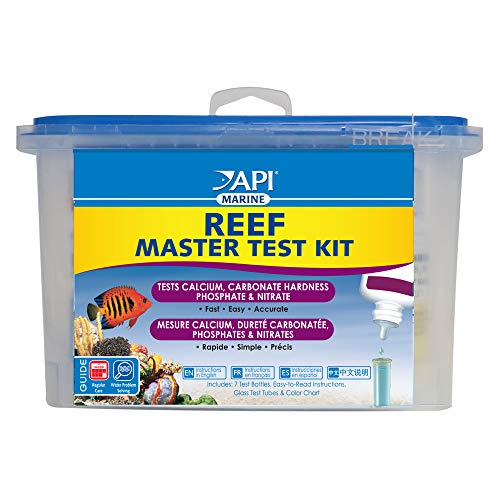
Maintaining stable levels of pH, ammonia, nitrite, and nitrate is paramount. Aim for a pH between 7.8 and 8.5, which supports coral health and enhances the well-being of marine life. Regular testing will help identify any fluctuations that could harm your aquatic ecosystem.
Ammonia should remain at zero; its presence indicates a problem in biological filtration. Utilize live rock or substrates that promote beneficial bacteria to manage waste effectively. Monitor nitrite levels, which should also be zero, as any amount can be toxic to fish.
Nitrate levels must be kept below 20 ppm to avoid algae blooms. Implement regular water changes and consider adding macroalgae or a protein skimmer to assist in nutrient export. Remember, consistency in water parameters leads to a more resilient aquatic environment.
Cations like calcium, magnesium, and alkalinity also play a significant role in the health of corals. Calcium levels should be maintained between 400-450 ppm, while magnesium should be around 1300-1400 ppm. Alkalinity should ideally stay between 8-12 dKH, as these minerals are critical for coral growth and overall stability.


Understanding Key Elements in Marine Environments
Maintain stable levels of calcium, magnesium, and alkalinity. Aim for calcium between 400-450 mg/L, magnesium from 1250-1350 mg/L, and alkalinity at 8-12 dKH. Regularly test these parameters using reliable kits to ensure balance, which supports coral growth and overall health.
Nutrient Management
Monitor and control nitrate and phosphate levels. Ideal nitrate should be below 10 mg/L, while phosphate levels should stay under 0.05 mg/L. Perform regular water changes and consider using a protein skimmer to reduce excess nutrients that can lead to algae blooms.
pH and Temperature Regulation
Keep pH levels stable between 7.8 and 8.5. Use a reliable pH meter for accurate readings. Temperature should range from 75°F to 80°F (24°C to 27°C). Employ a heater and chiller to maintain consistent temperatures, as fluctuations can stress marine life.
Understanding pH Levels and Their Importance in Aquatic Habitats
Maintain pH levels between 7.8 and 8.5 for optimal conditions. Regular testing with reliable kits ensures stability. Fluctuations can stress organisms, leading to health issues.
Effects of pH on Marine Life
- Coral Growth: Stable pH supports calcification, essential for coral structure.
- Fish Health: Sudden changes can lead to stress and decreased immunity.
- Nutrient Availability: pH impacts the solubility of minerals, affecting availability to organisms.
Adjusting pH Levels
- Use buffer solutions to raise pH gradually.
- Acidic solutions, like vinegar, can lower pH but should be used cautiously.
- Aeration increases pH by releasing carbon dioxide.
Monitor levels frequently, especially after adjustments, to avoid sudden changes. Consistency in pH is key to a thriving underwater environment.
Managing Alkalinity: Tips for Optimal Reef Health
Maintain alkalinity between 8-12 dKH for stability. Regularly test water parameters using reliable test kits. Adjust alkalinity slowly to avoid shocking organisms.
Adjusting Alkalinity Levels
Use sodium bicarbonate or sodium carbonate to increase alkalinity. For reduction, consider carbon dioxide injection or acid dosing. Always measure changes in small increments to ensure a safe balance.
Monitoring and Maintenance
Perform weekly tests and record results to track trends. Frequent water changes can help maintain alkalinity levels. Consider dosing systems or automated controllers for consistent management.
Monitoring Ammonia, Nitrite, and Nitrate Levels
Regular testing of ammonia, nitrite, and nitrate concentrations is critical for maintaining a balanced aquatic environment. Ammonia should remain at 0 ppm; levels above this can be toxic to fish and invertebrates. Utilize a reliable test kit to check ammonia levels weekly, especially during the initial setup phase.
Ammonia Testing
To conduct an ammonia test, follow the manufacturer’s instructions precisely. A color change indicates the ammonia concentration. If readings exceed 0.25 ppm, initiate water changes to dilute ammonia or consider adding ammonia detoxifiers. Monitor closely during the cycling period, as beneficial bacteria will gradually establish to convert ammonia into less harmful substances.
Nitrite and Nitrate Levels
After ammonia testing, focus on nitrite and nitrate levels. Nitrite should also be maintained at 0 ppm. Elevated nitrite levels indicate a disruption in the nitrogen cycle. If nitrites rise, perform partial water changes and check for dead organisms or excess feeding that could contribute to the issue.
Nitrate levels can be more forgiving, but ideally should remain below 20 ppm to avoid harmful effects on sensitive species. Regular water changes and the introduction of live plants or macroalgae can help manage nitrate concentrations. Test for nitrates bi-weekly to ensure they stay within a safe range.
| Parameter | Ideal Level (ppm) | Action if Elevated |
|---|---|---|
| Ammonia | 0 | Water change, detoxifiers |
| Nitrite | 0 | Water change, check for excess feeding |
| Nitrate | <20 | Partial water change, add plants |
Consistent monitoring and proactive management of these parameters will promote a stable and healthy aquatic ecosystem.