
Reef
Blog
Can i use table salt in my marine aquarium

Regular household sodium chloride is not suitable for a saltwater habitat. The presence of additives, such as anti-caking agents, can negatively impact the delicate balance required for aquatic life. Instead, specialized mixes designed for oceanic ecosystems are recommended, as they provide the necessary minerals and trace elements.
When maintaining a thriving aquatic ecosystem, it is crucial to opt for commercially available sea salt blends, which replicate the natural seawater composition. These products are formulated to ensure optimal water parameters, supporting coral health and the well-being of marine organisms.
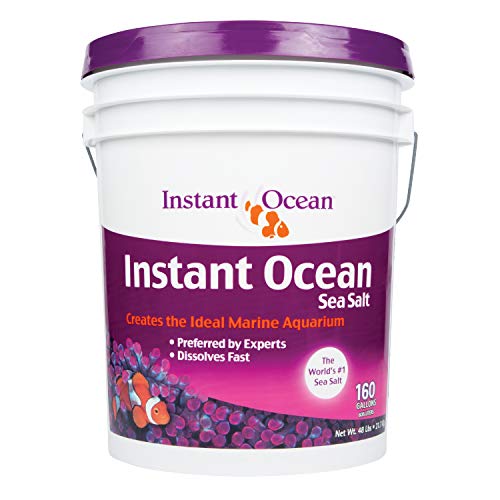

In addition, using the correct type of salt facilitates a stable environment, which is vital for biological filtration and overall system health. Regular monitoring of water quality, including salinity levels, contributes to a successful aquatic setup. Therefore, prioritize high-quality options specifically designed for saltwater environments to ensure a flourishing ecosystem.
Alternative Options for Salt in Aquatic Environments
Regular sodium chloride should not be utilized in aquatic habitats containing saltwater organisms due to its impurities and additives that can harm inhabitants. Instead, opt for high-quality marine formulations specifically designed for aquatic ecosystems. These products contain balanced minerals and trace elements essential for the health of aquatic life.
Key Differences
Standard cooking sodium chloride lacks the necessary components found in specialized products. Marine mixes include not only sodium and chloride but also magnesium, calcium, and potassium, which are critical for maintaining proper water chemistry. This balance supports biological processes and overall well-being of corals, fish, and other inhabitants.
Recommended Practices
Always prepare water using designated salt blends, following manufacturer instructions for mixing ratios. Regular testing of salinity and other parameters is crucial to ensure optimal conditions. In case of emergencies, consider other solutions like natural seawater or reputable pre-mixed products available at aquatic supply retailers.
Understanding the Composition of Common Salt
The primary component of ordinary sodium chloride is sodium (Na) and chlorine (Cl). This combination creates a compound that is widely found in various forms, but not all types are suitable for aquatic environments.
Key points regarding its composition include:
- Sodium Content: Essential for osmoregulation in aquatic organisms, but excessive levels can lead to detrimental effects.
- Chlorine Content: While necessary for certain biological functions, chlorine in its elemental form is toxic to fish. In salt form, it exists as chloride, which is safe.
- Impurities: Ordinary varieties may contain additives like anti-caking agents. These additives can harm aquatic life and disrupt the ecosystem.
- Mineral Content: Unlike specialized blends, standard sodium chloride lacks critical trace elements and minerals, such as magnesium, calcium, and potassium, which are vital for the health of aquatic inhabitants.
When considering alternatives, specialized blends designed for aquatic systems provide a balanced mix of necessary minerals and trace elements, ensuring a healthier environment for aquatic life.
Comparing Table Salt to Marine Salt Mixes
Using regular sodium chloride can lead to significant imbalances in your aquatic environment. Unlike specialized blends, common sodium chloride lacks essential trace elements and minerals necessary for the health of marine organisms.
The following table outlines key differences between standard sodium chloride and commercially available mixes formulated for saltwater habitats:
| Feature | Standard Sodium Chloride | Marine Salt Mixes |
|---|---|---|
| Trace Elements | Absent | Includes magnesium, calcium, potassium, and others |
| pH Stability | Unstable | Designed to maintain stable pH levels |
| Solubility | High | Varies, optimized for slow dissolution |
| Impact on Organisms | Potentially harmful | Supports growth and health |
| Cost | Low | Higher, but cost-effective in the long run |
Specialized blends are formulated to mimic natural ocean water, making them far more suitable for maintaining a thriving ecosystem in your setup. Prioritize these mixes for optimal health and sustainability of aquatic life.
Potential Risks of Using Common Salt in Aquatic Environments
Introducing common seasoning into aquatic habitats poses significant dangers. The primary concern revolves around the presence of additives, such as anti-caking agents, which can adversely affect water quality and the health of inhabitants.
Another factor is the inability of regular seasoning to provide essential trace elements found in specialized blends. These elements are crucial for the well-being of corals and invertebrates, leading to potential deficiencies that can impact growth and reproduction.
Additionally, the sodium chloride concentration in standard seasoning may not match the specific salinity levels required for various species. This imbalance can cause stress, leading to weakened immune systems and increased vulnerability to diseases.
Lastly, the introduction of impurities and contaminants present in regular seasoning may disrupt the delicate ecological balance, potentially resulting in harmful algal blooms or other detrimental effects on the habitat.