
Reef
Blog
How to raise magnesium in a reef tank

To achieve optimal levels of magnesium, aim for a concentration between 1250 and 1350 ppm. Regular testing using a reliable kit is crucial for monitoring these levels accurately.
Incorporate high-quality additives specifically formulated for marine environments. Look for products that are rich in magnesium chloride and magnesium sulfate, as these compounds are effective in elevating concentrations. Adjust dosing according to the manufacturer’s guidelines, and observe changes in your water parameters closely.
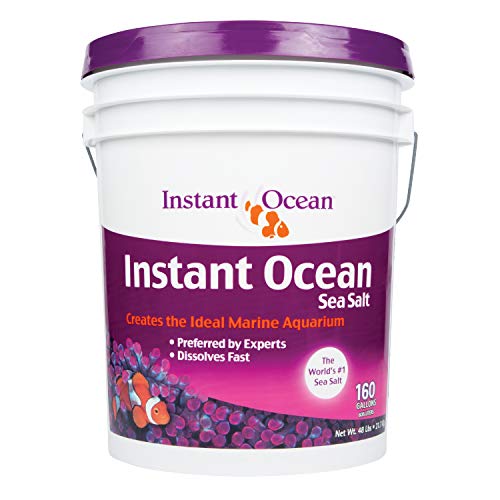
Regular water changes with a synthetic salt mix that contains adequate magnesium is another effective strategy. Choose a blend designed for marine ecosystems, as it will help maintain stable levels over time while replenishing essential trace elements.
Consider introducing magnesium-rich substrates or minerals into your habitat. These natural sources can gradually release magnesium into the water column, providing a consistent supply and promoting a balanced aquatic environment.
Lastly, keep an eye on the calcium levels, as high calcium can sometimes inhibit magnesium uptake. Ensuring a proper balance between these two elements is key to sustaining a healthy aquatic ecosystem.

Strategies for Increasing Magnesium Levels
Utilize a high-quality supplement designed specifically for this mineral. Look for products that have been formulated for aquatic environments, ensuring they contain no harmful additives. Follow the manufacturer’s dosing instructions closely to avoid overshooting optimal levels.
Testing and Monitoring
Regularly assess the concentration with a reliable test kit. Aim for a target range of 1250-1350 ppm. Frequent testing allows for timely adjustments and helps to identify any fluctuations in water chemistry.
Water Changes
Conduct routine partial water changes using salt mixes that are high in this mineral. Select products known for their balanced composition, as they can contribute to maintaining stable levels. Aim for changes of about 10-15% every two weeks to gradually correct deficiencies.
Consider integrating a dosing system if your aquatic environment requires consistent replenishment. Automated systems can help maintain stable concentrations, reducing manual intervention and potential errors.
Understanding Magnesium Levels and Their Importance
Maintaining appropriate concentrations of this mineral is vital for the overall health of aquatic ecosystems. Levels between 1250 to 1350 ppm are generally recommended to support coral growth and prevent issues related to calcium balance.
Role of Magnesium in Aquatic Systems
This mineral acts as a buffer, stabilizing calcium and alkalinity levels. A proper balance allows corals to build their skeletons effectively, which is crucial for their structure and growth. Insufficient amounts can lead to inadequate calcification, ultimately harming the inhabitants.
- Supports skeletal development in corals
- Prevents precipitation of calcium carbonate
- Regulates enzyme functions critical for marine life
Monitoring and Testing
Regular testing is essential to avoid fluctuations. Utilize reliable test kits to measure current concentrations accurately. Adjustments should be made gradually to prevent shock to the ecosystem.
- Test levels weekly for accuracy.
- Make adjustments slowly to avoid drastic changes.
By keeping levels stable and within the recommended range, the system will thrive, leading to healthier corals and a more balanced environment.
Identifying Signs of Magnesium Deficiency in Coral
Observe coral polyps closely; a reduction in their extension or complete retraction is a primary indicator of insufficient levels. Healthy corals exhibit fully extended polyps, while stressed specimens may show diminished polyp activity.
Color Changes
Monitor for fading colors, particularly in species known for their vibrant hues. A dull or bleached appearance often signifies a nutrient imbalance, including low levels of this critical element. Coral tissue may also exhibit a brown or gray tint, indicating distress.
Growth Rate Decline
A noticeable slowdown in skeletal formation is another sign. If corals that typically grow rapidly begin to show minimal new growth or calcification, it may reflect inadequate nutrient levels. Regular measurements can help track these changes over time.
Keep an eye on algae growth around corals. An increase in unwanted algae can indicate a nutrient imbalance, as corals struggle to compete with algae for available resources when lacking proper elements.
If the coral begins to detach from its substrate or shows signs of necrosis, immediate testing of calcium and other essential elements is advisable. Addressing deficiencies promptly can prevent further damage.
Regular monitoring and assessment of coral behavior and appearance will facilitate early detection of nutrient inadequacies, ensuring a healthier aquatic environment.