
Reef
Blog
How to reduce kh in marine aquarium
Regular water changes with low KH salt mixes are an effective approach. Choose a salt mix specifically formulated for your environment, ensuring that it contains a lower carbonate hardness concentration. This practice not only aids in stabilizing pH but also gradually brings down KH levels.
Utilize reverse osmosis (RO) or deionized (DI) water for top-offs and changes. Tap water often contains elevated KH, which can interfere with maintaining desired parameters. Regular testing with reliable kits will help monitor changes accurately, allowing for precise adjustments.
Incorporating natural elements such as driftwood or specific rocks can assist in lowering KH. These materials can leach organic acids into the water, which may help in reducing carbonate hardness. Additionally, consider the introduction of specific fauna that thrive in lower KH environments; their biological processes can contribute to the overall balance.
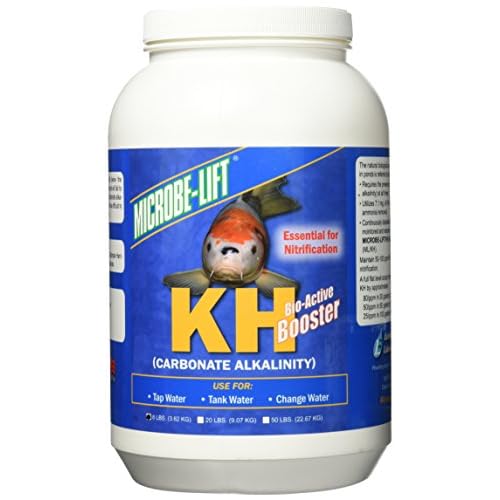
Using chemical additives designed to lower KH can be a quick solution. Products containing phosphoric acid or similar compounds can effectively decrease carbonate hardness levels. However, exercise caution and follow dosage instructions carefully to avoid rapid fluctuations that could harm aquatic life.
Methods for Lowering KH in Saltwater Systems
Utilize reverse osmosis (RO) water for changes and top-offs. This method ensures lower carbonate hardness by eliminating dissolved minerals present in tap water.
Utilize Chemical Additives
Consider using specific products designed to lower alkalinity. These often contain hydrochloric acid or phosphoric acid, which can effectively decrease KH levels. Follow the manufacturer’s guidelines for dosage.
Organic Matter Introduction
Introduce organic materials like leaf litter or peat moss. As they decompose, they can contribute to lowering KH naturally. Monitor the breakdown process to avoid excessive decay.
- Ensure regular water testing to track KH levels.
- Adjust feeding routines to minimize waste and organic buildup.
- Maintain a well-functioning protein skimmer to remove excess nutrients.
Evaluate the overall balance of the ecosystem. Stability in other parameters, such as calcium and magnesium, can assist in managing alkaline conditions effectively.
Understanding KH Levels and Their Impact on Marine Life
Maintaining stable carbonate hardness is critical for the health of aquatic organisms. KH levels influence pH stability, which is essential for the well-being of fish, corals, and invertebrates. If the KH is too low, pH fluctuations can occur, leading to stress and potential mortality among sensitive species.
Impact on Corals
Corals require adequate KH for their calcification process. Insufficient carbonate hardness can hinder growth and lead to weakened structures. Ensuring appropriate KH levels promotes robust skeletal formation, enhancing coral resilience against environmental stressors.
Influence on Fish and Invertebrates
Many fish species thrive within specific KH ranges. Elevated levels may lead to reduced ion absorption, affecting overall health. Invertebrates, particularly those with calcium carbonate structures, also depend on stable KH for proper development. Monitoring and adjusting KH is essential for fostering a thriving ecosystem.
Methods for Lowering KH: Water Changes and Chemical Additives
Regular water exchange is a straightforward approach to managing carbonate hardness. Replacing a portion of the tank’s water with fresh, low-KH source water can effectively bring down KH levels. Aim for 10-20% water changes weekly, ensuring the new water is at the appropriate temperature and salinity.
Choosing the Right Source Water
Opt for reverse osmosis (RO) or distilled water as it typically has minimal hardness. If using tap water, test its KH content first, as municipal supplies can vary significantly.
Chemical Options for Adjustment
Utilizing chemical additives can provide rapid KH modification. Use products specifically designed to lower KH, often based on phosphoric or citric acid. Follow the manufacturer’s instructions carefully to avoid drastic fluctuations, which can stress aquatic inhabitants.
| Method | Description |
|---|---|
| Water Changes | Replace 10-20% of tank water with low-KH source water weekly. |
| Chemical Additives | Apply acids designed for KH reduction, following product guidelines. |
Always monitor water parameters after any adjustments to ensure stability and the health of the ecosystem. Regular testing will guide further actions and prevent unwanted shifts in water chemistry.