
Reef
Blog
What should nitrate levels be in a reef tank

For an optimal aquatic environment, nitrogen compounds should ideally remain between 1 to 5 ppm. This range helps to prevent harmful algal blooms while supporting the health of invertebrates and fish. Regular monitoring and adjustments are necessary to maintain this balance.
Utilizing high-quality filtration methods and frequent water changes can significantly assist in controlling these compounds. Additionally, introducing beneficial bacteria can help in breaking down waste products, further stabilizing the system.
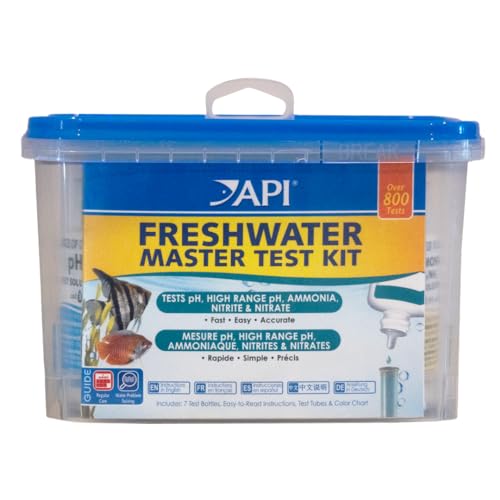

It is crucial to test water parameters weekly, especially during the initial setup phase or after any major changes in the aquarium. If readings exceed the recommended range, consider implementing more aggressive filtration or adjusting feeding routines to reduce organic waste accumulation.
Nitrate Concentration Recommendations for Marine Aquariums
Maintain concentrations between 1 to 5 mg/L for optimal conditions, ensuring a healthy environment for inhabitants. Levels exceeding 10 mg/L can lead to unwanted algae growth and stress among aquatic life.
Regular testing is crucial; utilize reliable test kits to monitor changes. Water changes, macroalgae, and denitrification methods can help manage excess amounts effectively.
Consider the following table for a quick reference on acceptable concentrations:
| Condition | Recommended Concentration (mg/L) |
|---|---|
| Optimal | 1 – 5 |
| Acceptable | 5 – 10 |
| High Risk | 10+ |
Monitor closely; adjustments may be necessary based on specific species requirements and system dynamics.
Understanding Nitrate’s Role in Reef Ecosystems
Optimal concentration of these compounds is crucial for maintaining a balanced aquatic environment. Excessive amounts can lead to harmful algal blooms, while too low concentrations may hinder the growth of beneficial microorganisms.
Impact on Marine Life
Coral species, in particular, exhibit varying tolerance to these compounds. Some can thrive with higher concentrations, while others require more stringent conditions. Regular monitoring is essential to ensure a healthy habitat for:
- Corals
- Fish
- Invertebrates
Biological Nitrogen Cycle
The nitrogen cycle in aquatic systems involves the conversion of organic matter through various forms, including ammonia and nitrites, ultimately resulting in the production of these compounds. Beneficial bacteria play a significant role in this process, breaking down waste and converting it into less harmful forms.
Implementing biological filtration can enhance this cycle, promoting the growth of beneficial bacteria and maintaining an equilibrium. Regular water changes and the addition of live rock can further support this cycle, ensuring a stable aquatic environment.
Optimal Nitrate Concentrations for Coral Health
For coral vitality, maintaining a concentration of 1-5 mg/L is ideal. This range supports growth while minimizing harmful effects from excess compounds.
Regular testing is crucial to monitor these amounts accurately. Utilize reliable kits or professional lab services for precise readings.
Consider the following factors influencing these concentrations:
- Bioload: The number and type of organisms directly affect the production of waste, impacting nitrogenous compounds.
- Feeding practices: Overfeeding can lead to elevated waste levels, increasing unwanted compounds.
- Water changes: Regular partial water changes help maintain stable conditions and reduce accumulations of waste products.
- Filtration: Implementing efficient biological filtration systems, such as refugiums or denitrators, can assist in keeping these compounds in check.
Observe coral behavior as an indicator of health. Signs of distress may indicate imbalances, prompting immediate adjustments.
In summary, fine-tuning these compounds within the recommended range promotes optimal growth and resilience in coral species. Regular monitoring and proactive management are key to sustaining a thriving aquatic environment.
How to Test Nitrate Levels Accurately
Select a high-quality test kit designed for aquatic environments. Look for kits that utilize colorimetric or photometric methods for precise measurements. Following the manufacturer’s instructions diligently is crucial for consistent results.
Collect a water sample using a clean container to avoid contamination. Rinse the container with the water being tested before filling it. This helps eliminate any residues that could skew the results.
Perform the test in a well-lit area, as lighting can influence color perception. Compare the resulting color against the chart provided with the test kit to determine the concentration accurately. Ensure to hold the test vial at eye level for a better assessment of the color.
For increased accuracy, consider conducting multiple tests at different times and averaging the results. Environmental factors can cause fluctuations, so regular monitoring is recommended to track trends over time.
Calibration of electronic testing devices is essential if using digital meters. Regularly check calibration against known standards to maintain precision in measurements.
Document findings in a logbook along with date, time, and any changes made to the aquatic environment. This practice aids in identifying patterns and addressing potential issues proactively.