
Reef
Blog
What eats algae in reef tank

The introduction of specific herbivorous species can significantly manage unwanted plant growth in aquatic ecosystems. For instance, grazing fish such as tangs and gobies are well-known for their ability to consume various types of plant matter, helping to keep surfaces clean and balanced. These fish not only contribute to the aesthetic appeal of the habitat but also play a crucial role in maintaining water quality by reducing organic buildup.
In addition to fish, marine invertebrates like snails and crabs serve as effective cleaners. Species such as Turbo snails and Emerald crabs are particularly adept at foraging on the problematic growths, ensuring a healthier environment for other inhabitants. Their presence can prevent overgrowth and promote a stable ecosystem.
Incorporating these organisms into your aquatic setup not only addresses the issue of excessive plant growth but also enhances biodiversity. A well-balanced mix of herbivores fosters a harmonious atmosphere, encouraging the thriving of both flora and fauna in the habitat.
Species That Consume Growth in Aquatic Environments
For optimal maintenance of a balanced ecosystem, consider introducing the following organisms that thrive on unwanted vegetative growth:

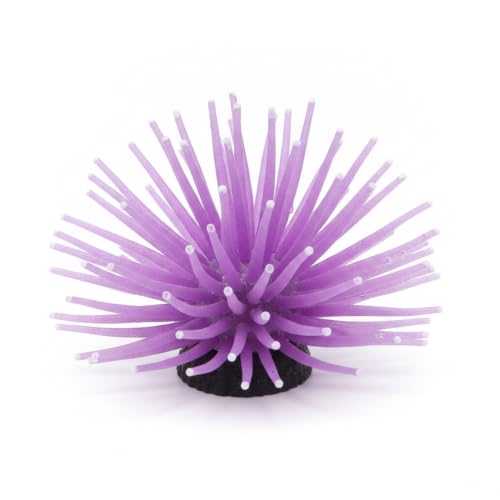
Popular Inhabitants
| Species | Description |
|---|---|
| Turbinaria snails | These small mollusks are adept at grazing on film-forming growths, helping to keep surfaces clean. |
| Sea urchins | Known for their spiny exterior, these creatures actively feed on various forms of unwanted growth, particularly in more expansive areas. |
| Blennies | These fish are effective at controlling unwanted vegetation, particularly the algae that can cover rocks and surfaces. |
| Angelfish | These colorful fish will consume certain types of growth, contributing to the overall health of their environment. |
| Grazing fish (e.g., Tangs) | Highly efficient in controlling thicker growths, these fish are a common choice for many aquatic enthusiasts. |
Integrating these species into your aquatic habitat can significantly reduce excess growth, promoting a healthier environment for all inhabitants.
Additional Considerations
Monitor the balance of your ecosystem regularly. Overpopulation of certain species can lead to other issues, so ensure a mix of organisms that will complement each other while effectively managing unwanted growth. Regular water quality checks will further support the thriving community.
Types of Herbivorous Fish for Algae Control
For optimal management of unwanted plant growth, consider introducing specific herbivorous species. The following fish are highly regarded for their algae consumption abilities:
1. Surgeonfish (Acanthuridae)
Surgeonfish, particularly the Yellow Tang (Zebrasoma flavescens) and Powder Blue Tang (Acanthurus leucosternon), are efficient grazers. They consume a variety of microalgae and are known for their vibrant colors, adding aesthetic value to aquatic environments.
2. Blennies (Blenniidae)
Lawrence’s Blenny (Ecsenius lineatus) and Starry Blenny (Salarias ramosus) are excellent for controlling unwanted growth. These fish actively graze on filamentous algae and are relatively peaceful, making them a great addition to community setups.
Incorporating these species can significantly reduce unwanted plant matter while enhancing the beauty of the aquatic habitat. Regular monitoring of their health and diet is recommended to ensure they thrive and continue their beneficial role.
Invertebrates That Consume Algae in Reef Tanks
Sea Urchins are exceptional at managing unwanted growth. Species like the Diadema and Tripneustes can effectively graze on various types of growths, including filamentous forms. Their ability to access tight spaces makes them a valuable addition.
Shrimp, particularly Cleaner Shrimp and Peppermint Shrimp, contribute to algae control. They feed on detritus and organic matter while consuming algae. Their behavior promotes a balanced microenvironment, encouraging other beneficial organisms.
Snails such as Nassarius, Turbans, and Astrea are reliable foragers. They effectively remove undesired growths from surfaces and help keep the substrate clean. Their grazing habits assist in maintaining water quality.
Sea Slugs, notably Elysia species, can be effective in nutrient-rich systems. They consume algae and can even incorporate chloroplasts into their own cells, allowing for photosynthesis. This unique ability provides additional benefits to the ecosystem.
Incorporating a variety of these invertebrates can lead to a more balanced ecosystem. Each type plays a distinct role, enhancing the overall health and clarity of the aquatic environment.
Impact of Snails on Algae Management
Incorporating snails into a marine habitat can significantly enhance the control of unwanted green growths. They are natural grazers, with various species exhibiting different preferences and feeding behaviors.
Key Species for Control
- Nerite Snails: Effective at consuming film algae and diatoms, these snails do not reproduce in saltwater, preventing overpopulation.
- Trochus Snails: Known for their ability to graze on a variety of algae, they also help in maintaining clean surfaces and are prolific breeders.
- Astrea Snails: These snails excel at cleaning substrate and rock surfaces, but may require stable conditions to thrive.
Benefits of Snail Inclusion
Utilizing snails provides multiple advantages:
- Natural algae removal reduces reliance on chemical treatments.
- They contribute to the overall health of the ecosystem by promoting biodiversity.
- Snails help maintain a balanced environment, preventing algae blooms that can harm other marine life.
Choosing the right snails enhances algae management while supporting a thriving aquatic community. Regular monitoring ensures that their populations remain balanced, maximizing their beneficial impact.