
Reef
Blog
Do led lights work for reef tanks

Yes, utilizing advanced illumination technology can significantly enhance the health and growth of corals. Research indicates that specific spectrums emitted by these sources promote photosynthesis in symbiotic algae, essential for coral vitality.
When selecting a system, prioritize those with adjustable spectrum capabilities. This allows for tailored light conditions that can mimic natural environments, accommodating various coral species. A balanced spectrum, particularly with blue wavelengths, has been shown to stimulate robust growth and vibrant coloration.
Moreover, consider the intensity and duration of illumination. Studies suggest that providing a gradual increase in brightness mimics dawn and dusk, reducing stress on marine organisms. A photoperiod of approximately 10 to 12 hours daily is recommended to align with natural cycles.

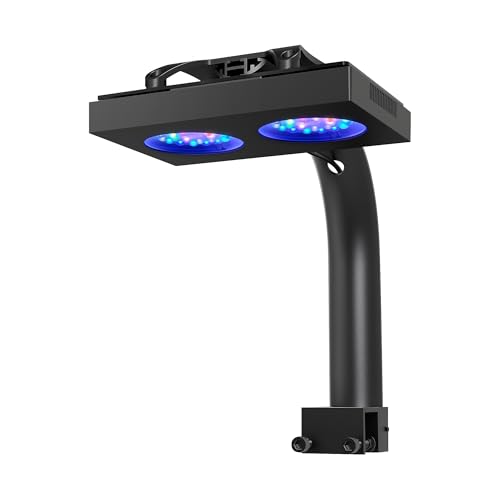
Monitoring water parameters is equally crucial. Ensure that the introduction of these technologies does not lead to unwanted fluctuations in temperature or nutrient levels. Regular assessments will help maintain a stable ecosystem, fostering a thriving underwater habitat.
Do LED Lights Work for Reef Tanks
Yes, they are suitable for aquatic environments, promoting health and growth of corals and other marine organisms. The spectrum provided by these illuminators can be tailored to meet the specific needs of various species.
Consider the following factors when selecting a lighting system:
- Color Spectrum: Aim for a balanced spectrum that includes blue, red, and white wavelengths, as these are essential for photosynthesis.
- Intensity: Adjust the brightness according to the requirements of the corals. Species like SPS corals thrive under higher intensity, while LPS and soft corals prefer moderate lighting.
- Duration: A photoperiod of 10-12 hours is typically recommended to mimic natural conditions and support healthy growth.
Look for products with adjustable settings, allowing customization based on the specific needs of your aquarium inhabitants. Some brands offer programmable options that simulate sunrise and sunset, enhancing the natural environment.
Regular maintenance is necessary to ensure optimal performance. Clean the fixtures periodically to prevent algae buildup that can reduce light output.
Lastly, monitor the response of your corals and adjust the setup accordingly to achieve the best results.
Understanding Light Spectrum Requirements for Corals
Corals thrive under specific light spectrum conditions, primarily utilizing wavelengths between 400 nm to 700 nm, which includes blue and red spectrums. Blue light (around 450 nm) is crucial for photosynthesis, stimulating zooxanthellae, the symbiotic algae living within coral tissues. Red light (around 660 nm) supports growth and enhances coloration, playing a role in the overall health of coral organisms.
Utilizing a balanced combination of these wavelengths is essential for optimal coral development. A ratio of approximately 1:2 of blue to red light is often recommended to mimic natural conditions found in shallow tropical waters. This blend not only promotes growth but also enhances the vibrant colors of the corals.
Further, specific coral species may have unique light preferences. For example, Acropora corals generally require higher intensity and more blue spectrum, while some soft corals may thrive under lower light conditions. Regularly assessing the light levels and adjusting accordingly can significantly impact coral vitality.
Utilization of spectrally tuned equipment can provide the necessary light quality and intensity, ensuring that corals receive adequate energy for photosynthesis and growth. Monitoring and adjusting light duration, typically between 10 to 12 hours per day, helps replicate natural cycles, promoting a healthy aquatic environment.
Comparing Energy Consumption of LED vs. Traditional Lighting
Utilizing energy-efficient fixtures can significantly reduce electricity costs. Typical incandescent bulbs consume around 60 watts, while modern alternatives operate at approximately 10-15 watts, leading to a reduction of up to 80% in energy usage.
For a standard setup, the monthly energy consumption can be calculated. If an incandescent bulb runs for 12 hours daily, it would use about 1.8 kWh per day. In contrast, a comparable energy-saving model would consume only 0.36 kWh daily.
Over a month, this difference translates into substantial savings. Assuming an energy cost of $0.12 per kWh, the incandescent option would cost about $6.48 monthly, while the more efficient choice would only amount to around $1.08.
Additionally, longevity plays a role in overall value. Traditional bulbs typically last around 1,000 hours, while energy-efficient variants can endure up to 25,000 hours. This extended lifespan further diminishes replacement costs and energy consumption over time.
In summary, energy-efficient options not only lower utility bills but also contribute to a more sustainable environment. The choice of lighting can lead to significant savings and a reduced carbon footprint, making it a smart investment for any aquatic environment.