
Reef
Blog
How many hours of led light for reef tank

For optimal growth of coral and other aquatic organisms, aim for a duration of approximately 10 to 12 cycles of illumination within a 24-hour period. This timeframe balances the needs of photosynthetic life and prevents excessive algae growth.
Adjust the timing based on the specific species present in your aquatic habitat. For instance, soft corals and some types of fish may thrive under slightly shorter illumination, around 8 to 10 cycles. Conversely, more light-demanding corals, like SPS (small polyp stony), may require closer to the upper limit of the range.
Utilizing a programmable timer can aid in maintaining consistency, ensuring that the aquatic environment mimics natural day-night patterns. Gradual transitions, such as dawn and dusk simulations, can further enhance the health of your marine setup.
Regular monitoring of water parameters is crucial, as variations in light exposure can influence nutrient uptake and overall ecosystem stability. Adjustments may be necessary based on the observed health and growth rates of your aquatic organisms.
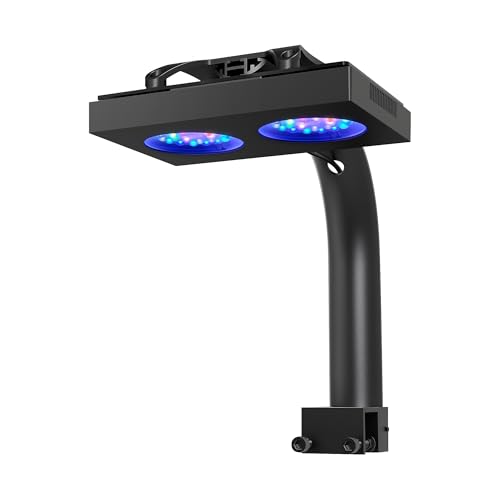
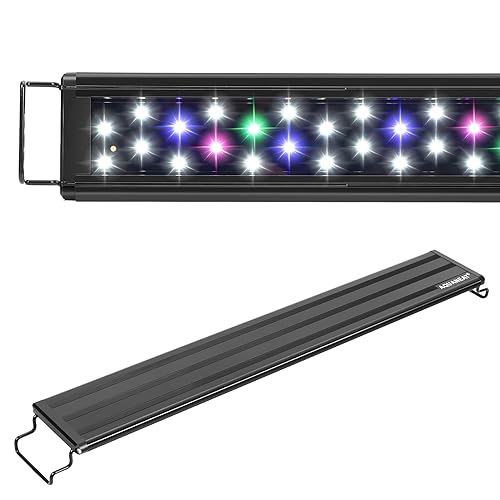
Optimal Duration of Illumination for Aquatic Environments
Set a timer for approximately 10 to 12 cycles of illumination each day. This interval provides sufficient energy for photosynthetic organisms while minimizing algae growth.
Adjust according to specific species needs. For instance, corals may thrive with slightly longer exposure, while certain fish prefer dimmer conditions.
Consider a gradual ramp-up and down effect to simulate natural sunrise and sunset, which enhances the well-being of inhabitants. A 30-minute transition at the start and end of the cycle is beneficial.
Monitor water parameters closely during this period. If excessive algae blooms occur, slightly reduce the duration or increase the intensity during peak hours.
Utilize programmable fixtures to customize settings based on seasonal changes or specific tank inhabitants’ requirements. Consistency in routine promotes stability in the aquatic habitat.
Understanding Light Requirements for Different Coral Species
Each coral species has distinct illumination needs. Soft corals often thrive under moderate brightness, typically requiring 100-200 PAR (Photosynthetically Active Radiation). In contrast, hard corals, particularly SPS (Small Polyp Stony) varieties, demand higher levels, around 300-500 PAR, to support their growth and health.
Soft Corals
- Examples: Zoanthids, Mushrooms, Leather Corals
- Optimal PAR Range: 100-200
- Recommended Duration: 8-10 cycles per day
SPS Corals
- Examples: Acropora, Montipora
- Optimal PAR Range: 300-500
- Recommended Duration: 10-12 cycles per day
LPS (Large Polyp Stony) corals fall in between, needing moderate to high intensity, ideally 200-400 PAR. Species like Euphyllia and Acanthastrea flourish with 8-10 cycles daily.
General Recommendations
- Assess PAR levels using a meter to ensure corals receive adequate intensity.
- Monitor coral behavior; signs of stress may indicate insufficient or excessive illumination.
- Adjust based on the specific needs of each species in the aquarium.
Tailoring illumination according to the variety of coral fosters a thriving underwater habitat. Consistent observation and adjustments will ensure optimal conditions for growth and color enhancement.
Calculating Optimal Lighting Duration Based on Tank Depth
For aquariums deeper than 24 inches, consider a duration of 8 to 10 cycles daily. This allows corals at greater depths to receive adequate illumination. If the setup measures between 18 to 24 inches, a range of 6 to 8 cycles is recommended. Shallower systems, under 18 inches, can thrive with 5 to 7 cycles each day.
Adjustments may be necessary depending on the specific species housed within the aquatic environment. Monitor coral behavior and growth patterns closely. If signs of stress appear, it may indicate the need for increased or decreased exposure time.
Employing a dimming feature on lighting units can enhance adaptability. Gradual transitions in brightness can help mimic natural conditions, promoting overall health. For deeper habitats, consider using a combination of high-intensity fixtures and supplemental sources to ensure even distribution across all depths.
Always account for the photoperiod of individual coral types. Some species thrive with shorter exposure times, while others flourish under extended periods. Regular observation will guide adjustments necessary for maintaining optimal conditions.